
Discover the rich history, cultural significance, and strategic intricacies of Mahjong, a tile-based game that has captivated people worldwide, evolving from its Chinese origins to become a global pastime.
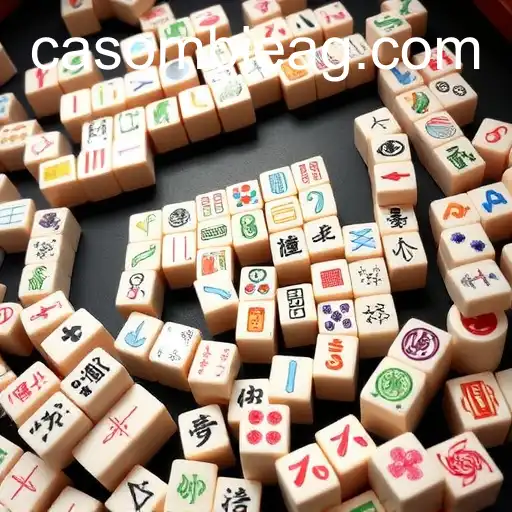
The Fascinating World of Mahjong
Mahjong is a captivating game that has captivated players for centuries. Originating in China, Mahjong is a tile-based game that combines skill, strategy, and a little bit of luck. Its widespread appeal has transcended cultural and geographical boundaries, making it a popular pastime worldwide.
The History of Mahjong
Mahjong's origins are shrouded in mystery, with competing theories about its genesis. Some historians trace the game back to the late Qing Dynasty, around the mid-19th century. Others argue that it has older roots, possibly connected to an ancient card game known as "Mah-Tiae." Regardless of its exact origins, Mahjong became a staple of Chinese culture, and its influence spread across the globe in the early 20th century.
In the 1920s, Mahjong gained popularity outside Asia, particularly in the United States. It was introduced in America by Joseph P. Babcock, who modified the rules and published a version of the game that suited Western audiences. This move helped cement Mahjong's place in global gaming culture.
Understanding Mahjong Tiles and Sets
A typical Mahjong set consists of 144 tiles, though the number can vary depending on regional versions of the game. The tiles are divided into three suits: Bamboo, Characters, and Circles. Additionally, there are Wind and Dragon tiles, as well as Flower and Season bonus tiles that can impact gameplay significantly.
Mastering the game involves understanding not only the individual tiles and their values but also recognizing patterns and potential combinations. Successful gameplay requires memorization, strategic planning, and the ability to anticipate opponents’ moves.
Basic Rules and Gameplay of Mahjong
The objective of a standard game of Mahjong is to build a complete hand, usually consisting of four sets (melds) and a pair, also known as the "head." Each set can be a "Pong" (three identical tiles), a "Chow" (three consecutive tiles of the same suit), or a "Kong" (four identical tiles). A pair is simply two identical tiles.
A game typically involves four players, each starting with 13 tiles. Players take turns drawing and discarding tiles in an effort to complete their hands. The game proceeds in a counterclockwise direction, with each player aiming to declare "Mahjong" when they achieve a complete permissible hand.
Variations of Mahjong Around the World
As Mahjong spread globally, various cultures adapted the game to suit their local preferences, resulting in diverse styles of play. For instance, Japanese Mahjong, known as "Riichi Mahjong," includes additional rules that introduce a unique element of risk and reward, enhancing the strategic depth of the game.
American Mahjong, on the other hand, incorporates the use of jokers and a card that guides hand-building, differing significantly from the traditional Chinese versions. Despite these disparities, the core elements of skill and strategy remain intact across all versions.
The Role of Mahjong in Society
Beyond its role as a game, Mahjong holds significant cultural and social importance, especially in East Asian communities. Mahjong is often played during family gatherings, holidays, and festivals, serving as a medium for social interaction and bonding.
Furthermore, Mahjong can serve educational purposes, enhancing cognitive skills such as memory, attention to detail, and pattern recognition. Studies have suggested that regular engagement with games like Mahjong can have therapeutic benefits, particularly for older adults seeking to maintain mental acuity.
Mahjong in the Digital Age
The advent of digital technology has brought Mahjong to new audiences, making it more accessible than ever. Online platforms and mobile applications now offer virtual Mahjong experiences, allowing players to compete globally without leaving the comfort of their homes. Platforms like f12.bet epitomize this digital evolution, providing enthusiasts with vibrant and interactive Mahjong environments.
Such platforms not only cater to casual players but also host competitive tournaments, further popularizing Mahjong on an international scale. These digital adaptations have rejuvenated interest in Mahjong, introducing it to younger generations who might not have encountered the game otherwise.
Strategic Insights for Winning Mahjong
Winning in Mahjong is as much about strategy as it is about luck. Experienced players often advise beginners to focus on building flexible hands that can adapt to the unpredictable nature of tile draws. Observing opponents and assessing their potential hands is crucial to developing effective strategies.
Discard strategy is another essential element of play; knowing which tiles to discard to minimize the chance of aiding your opponents is integral. Additionally, being aware of the tiles that have already been played can give you a strategic edge in selecting which tiles to keep and which to discard.